CDN Solutions

Live Streaming Architecture Solutions

Streaming media files (like Netflix, YouTube, or major sports broadcasts) are large and extremely latency-sensitive. CDN’s core value is distributing and caching video assets across globally distributed edge nodes (PoPs). When viewers click play, video is delivered from the nearest server, thus eliminating cross-ocean wait times. CDN improves user experience, defends against DDoS and application-layer attacks, and ensures uninterrupted service stability.


Streaming Media Solutions

VOD(Video on Demand)

VOD(Video on Demand)

Pre-recorded video files uploaded to servers, allowing users to watch anytime, anywhere on demand. Examples: Netflix, YouTube, online learning platforms.

Live Streaming

Live Streaming

Live content is encoded and streamed to online viewers in real time. Since live content is dynamically generated and cannot be pre-cached, the origin sends one stream to CDN, which instantly replicates and distributes it to millions of global viewers. Examples: New Year’s Eve events, sports broadcasts.

Ultra-Low Latency / Interactive Streaming

Ultra-Low Latency / Interactive Streaming

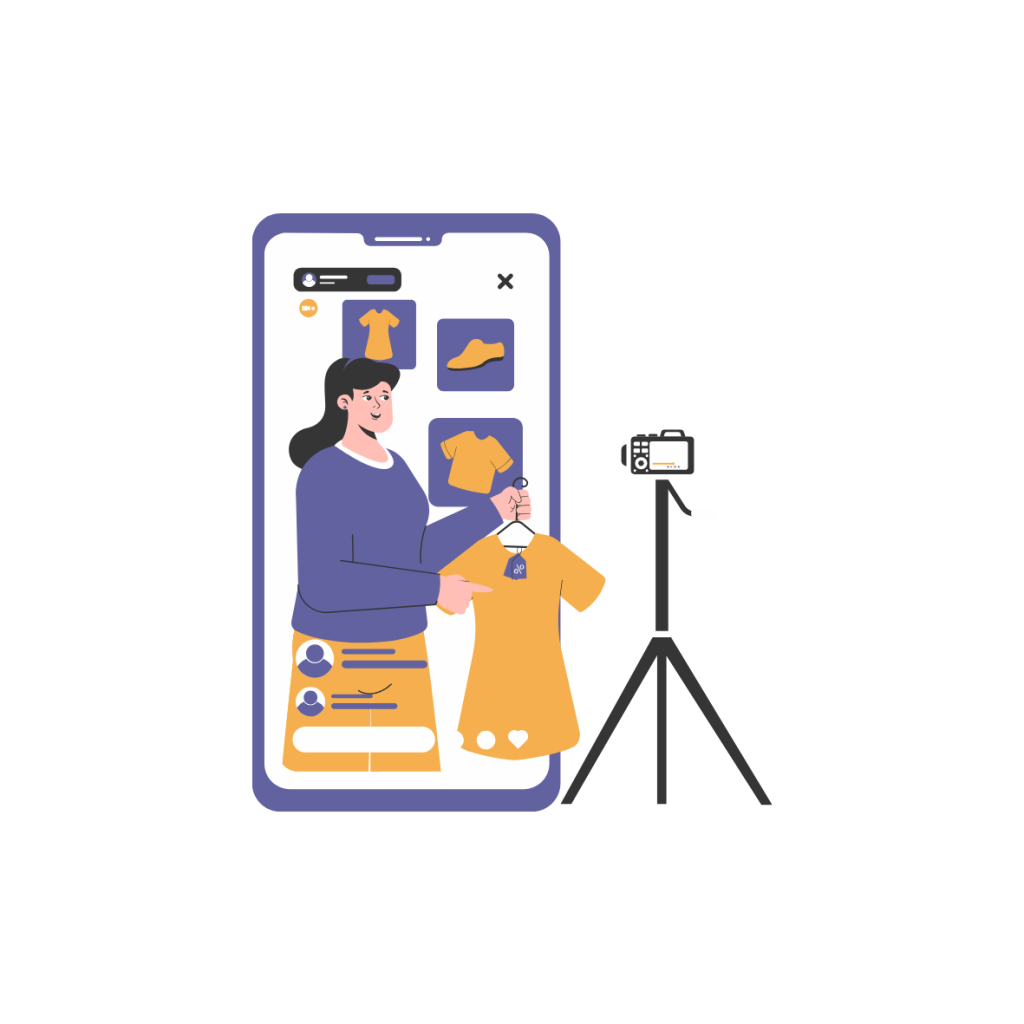
Traditional live streaming (e.g., HLS) typically has 3–10+ seconds of latency. Ultra-low latency streaming uses WebRTC or SRT protocols to push latency below 1 second or to millisecond levels. Examples: e-commerce live shopping.

Linear TV / Pseudo-Live

Linear TV / Pseudo-Live

A hybrid of VOD and live streaming. Pre-recorded video files are sequenced server-side and broadcast 24/7 as a live stream. CDN ensures seamless file transitions without black screens or buffering. Examples: 24-hour news channel web streams.

Cloud Gaming

Cloud Gaming

Not just one-way delivery, but bidirectional streaming requiring extreme real-time interaction. Game visuals are rendered on CDN edge servers and streamed to players; player inputs must be transmitted back within milliseconds. Examples: cloud gaming platforms.

Immersive & VR Streaming

Immersive & VR Streaming

VR panoramic video requires bandwidth several to dozens of times that of standard video. Advanced CDN solutions use FOV-based (Field of View) transmission with edge computing — tracking head movement to deliver high quality only for the current field of view. Examples: virtual concerts, virtual property tours.

Audio Streaming

Audio Streaming

Pure audio files need far less bandwidth than HD video, but the challenge is connection volume. Popular audio platforms face extremely large simultaneous user counts. CDN must demonstrate strong connection management and load balancing. Examples: Spotify, Apple Music, podcasts, online radio, voice chat rooms.

CDN Core Advantages

Lightning-Fast Loading

CDN caches video files or live streams at edge nodes closest to viewers. By dramatically shortening physical data transmission distance, viewers experience instant playback with stable, buffer-free quality, even for 4K/8K content.

Massive Scale Capacity

Whether a hit series launches globally or a major sports event goes live, connection requests spike instantly. CDN’s vast distributed architecture absorbs and disperses massive concurrent traffic loads, preventing origin servers from going down.

Cost Savings

With CDN, 90%+ of video delivery is handled directly by edge nodes. Your origin only needs to send a small number of files to CDN, hence saving enterprises enormous backbone bandwidth and server scaling costs.

Seamless Failover

If a server node experiences hardware failure or congestion, CDN’s intelligent routing instantly redirects viewers to a nearby healthy node, hence ensuring completely uninterrupted viewing.

Security Protection

Video platforms frequently face DDoS attacks and content hotlinking. CDN absorbs and scrubs malicious traffic at the network edge, and combined with DRM and hotlink protection, safeguards your video assets from unauthorized access.

Contact Netron Information Technology today to start your cloud journey!

Scroll to Top